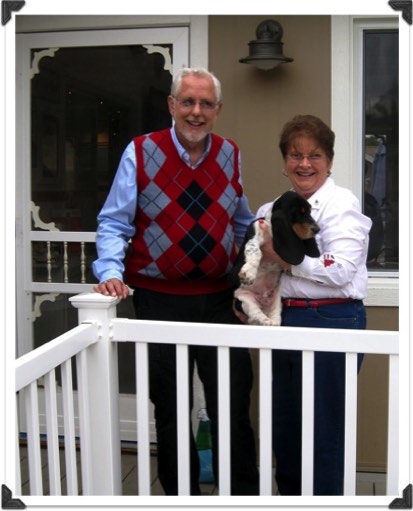
This website was created and is maintained by Don Bullock.
He can be reached at basithd@yahoo.com
Website Created
with

Don &
Pam
Bullock
Southern California
Former
Breeders of AKC Champion
Basset Hounds
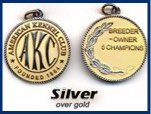
AKC Silver on Gold Medallion for finishing at least 5 dogs solely from the Bred-by-Exhibitor Class at AKC events.
This website last updated:
Thursday, February 20, 2025 11:23 AM
Welcome to Woebgon Bassets
Woebgon Bassets is located in Southern California. We are are proud to have been responsible/reputable breeders of AKC Champion basset hounds. Both of us qualified as AKC Breeders of Merit at the Bronze Level. We have bred many AKC Champions. Our basset hounds are our children. They share our home with us. We are proud that we bred for quality not quantity in our breeding program. Our litters were carefully planned. We conducted very extensive research before we selected a sire for our litters. We did not sell dogs over the Internet or sight unseen. Our dogs were only sold when we found the right home for them. This site is dedicated to all our bassets; past, present and future.
Please don’t confuse basset hounds from AKC Champion parents with bassets from other sources. Our basset hounds were bred as closely to the AKC Standard for the breed as possible. Before purchasing a basset hound, even one intended to be a pet, familiarize yourself with this Standard and ask the breeder about it in regards to their breeding program. Why settle for less? Quality is proven in the show ring. Dog shows are for evaluating breeding stock.
TO PROTECT AND ADVANCE THE BEST INTERESTS
OF THE BREED BY EXAMPLE; AND EDUCATION BY
ENCOURAGING SPORTSMANLIKE CONDUCT AT
DOG SHOWS AND TRIALS; BY COOPERATING WITH
SHOW HOLDING ORGANIZATIONS; AND BY OFFERING
PRIZES.
TO PROMOTE THE OWNERSHIP AND BREEDING OF PURE-BRED BASSET HOUNDS; AND TO DO ALL POSSIBLE TO BRING THEIR NATURAL QUALITIES TO PERFECTION BY WORKING FOR THE CONTINUING IMPROVEMENT OF THE BREED.
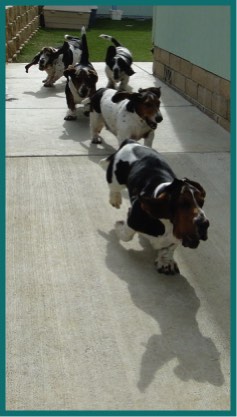
Three generations
of Woebgon Bassets playing chase in our back yard.
Please feel free to contact us if you have any comments or questions about basset hounds. As school teachers the two of us spent our whole adult lives educating others and we don’t plan to stop doing that in retirement. We enjoy talking to people about basset hounds. To find out more about us check out our page that tells about the two of us or look at the pages listed under About Us in the menu at the top of the page. This website is full of information about the two of us, our home, our foundation, our breeding and our basset hounds. Please check it out. Click link below to contact us.
Don & Pam Bullock have published this website for information only. It's a labor of love for the breed. None of the information constitutes legal or professional advice to their visitors. Don & Pam Bullock accept no responsibility for information and/or data contained on, or linked to this website. Nor do Don & Pam Bullock sell any animals or services on this website. Any dog listed as being available will be sold only from their home after they have conducted a thorough investigation of the family and their home. Don & pam do not ship dogs or sell sight unseen.
The Woebgon Basset’s website contains links to third party websites. These sites are not under the control of Don & Pam Bullock nor is the couple responsible for the contents of any of these linked sites, including without limitation, any link contained in a linked website, or any changes or updates to a linked site. These links are provided by Don & Pam Bullock to you only as a convenience, and the inclusion of any link does not imply endorsement by Don & Pam Bullock of the site or any association with its operators.
Don & Pam want those who visit their website to become informed about basset hounds and their bassets in particular. This is their favorite breed of purebred dogs and they hope others will discover why they enjoy them so much. Don & Pam's bassets are their children. They are very proud to be basset hound breeders and AKC Breeders of Merit for the breed.





Health and first aide information on the Woebgon Bassets website is provided for information purposes only. It is NOT presented as a replacement for proper veterinary care. Do not hesitate to seek proper veterinary care for your dogs.
We are dedicated to maintaining and improving basset hounds and do our best to uphold the goals of our local breed club, the Basset Hound Club of Southern California, Inc. and to follow their Code of Ethics:


All Website Contents are Copyright © by Donald W. Bullock. All Rights Reserved.
Check us out on Facebook

SPECIAL NOTE: We have noticed that some websites have listed Woebgon Bassets on them. We have NEVER authorised any websites other than those published by the basset hound clubs to which we belong to include any information about us. We do not condone any such websites that list breeders. Please be very careful going to ANY of these websites. One that I discovered tries to freeze your computer and hold it for ransom money. IMPORTANT LINK: RED FLAG WARNING TO PUPPY BUYERS (pdf file)
Pam and I have finalized our breeding plans. We have decided that we will NOT breed litters in the future. We have officially retired from breeding. The reasons for this decision are very complex, complicated and personal. It all boils down to the fact that we're not as young as we were when we had our last litter and it was difficult for us to handle that breeding. In contemplating future litters we have decided that having a litter is simply too much for us in many different ways.
For those looking for a puppy in Southern California we suggest that you consult the websites of the Basset Hound Club of Southern California and the Greater San Diego Basset Hound Club. All three websites have listings of member breeders and we are members of all three of these organizations. These breeders have pledged to follow the clubs' codes of ethics.
Outside Southern California I'd suggest the Breeder Directory on the website of the Basset Hound Club of America. To be listed on this website breeders must be members of the national breed club for basset hounds. I do NOT recommend the AKC Marketplace. It has no restrictions nor requirements for the breeders who list puppies for sale. All they have to do is claim that they sell AKC registered dogs.
If you have specific questions about a specific breeder or about basset hounds please don't hesitate to contact us by email. I will not respond unless you have actual questions. We know many of the responsible/reputable breeders in the United States, Europe and Australia. Over the years we've learned a lot about the breed and if we don't know the answers to your questions we know people who do.
Please be careful. According to the FBI information shown below on this page, there are MANY fraudulent Internet breeders and scammers on the Internet today. I've even produced two episoded on my WOEBGON the Basset Hound Podcast on this subject (LINKS: Fraudulent Puppy and Rescue Websites - How to spot them OR How pet scammers hook people --Actual examples of puppy and rescue scams .
We have also included our own list of responsible/reputable breeders. These are all great friends to whom we will go to when we're looking for a puppy.
Don & Pam
LINK: BHCSC Code of Ethics
Please remember to like and subscribe to our YouTube Channel


I hope people who visit our website will enjoy my ramblings and that they will help keep you informed about us and bassets. This blog is updated on a fairly regular basis but not lately. (Updated 2-27-18)

Channel
FUTURE LITTERS
What We're Doing
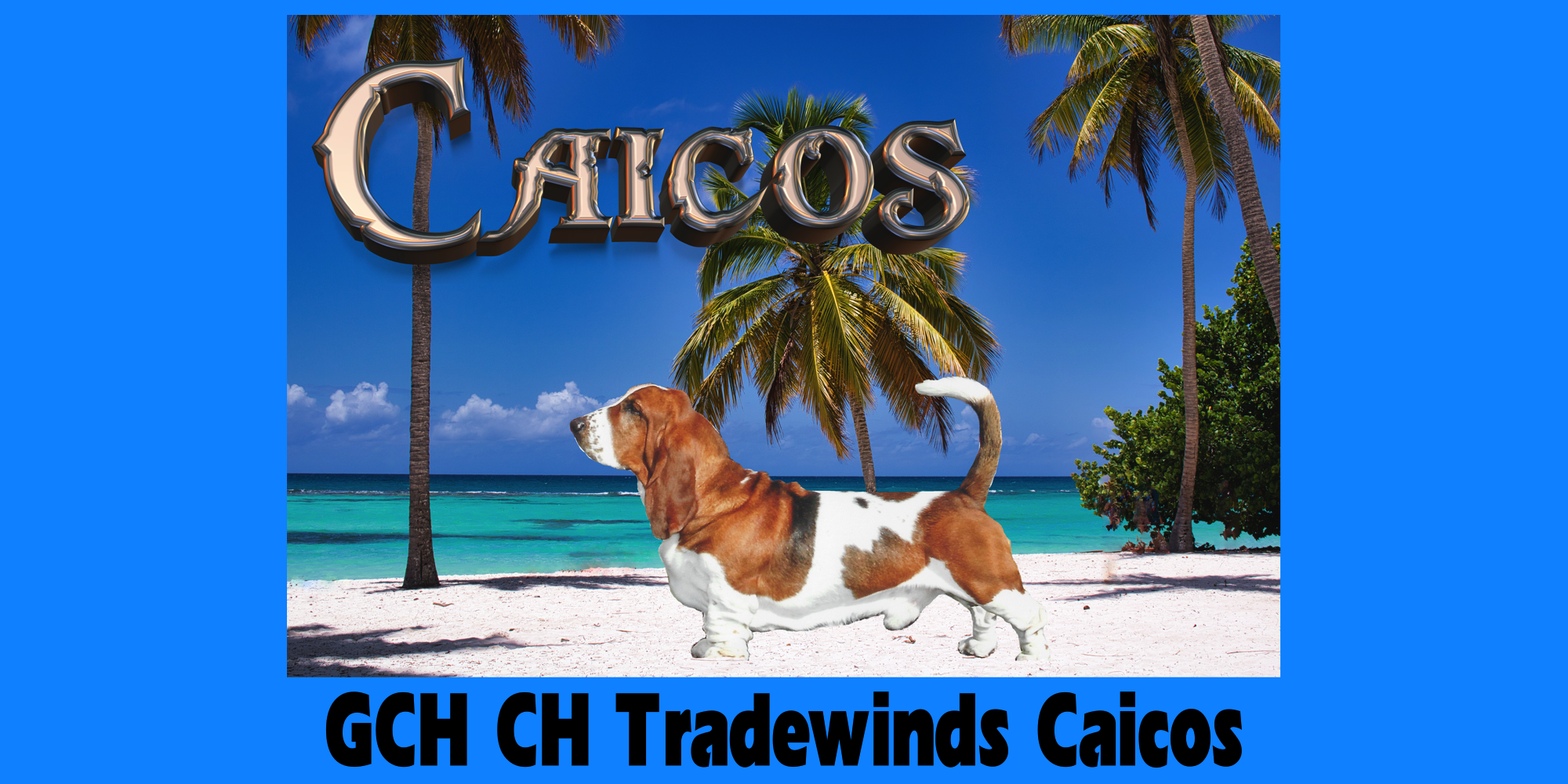
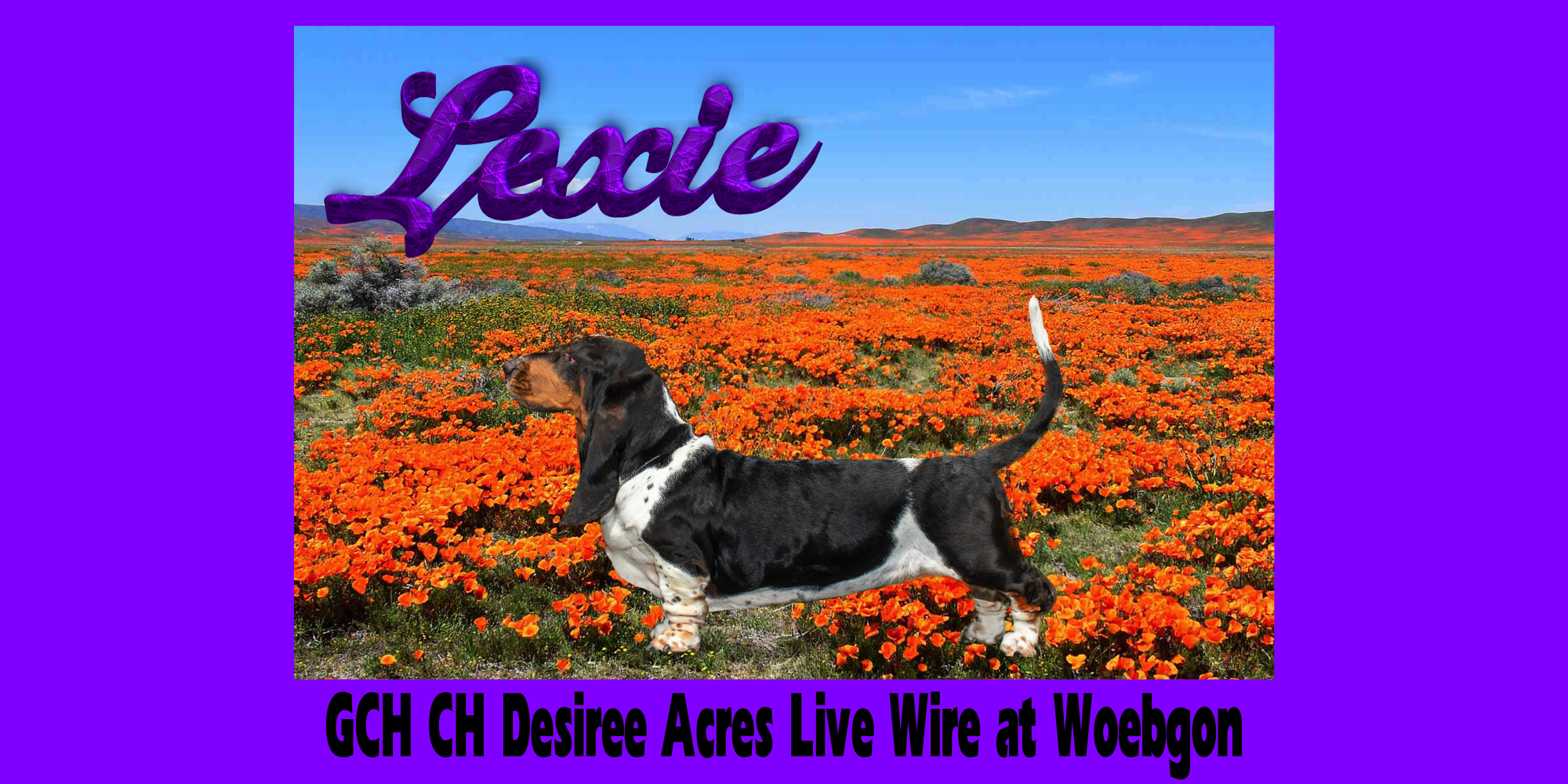


Click on the words below.
We at Woebgon Bassets owe a lot to Sue and Andy Shoemaker of Shoefly Bassets. They recognized that we were serious in our intentions to show and eventually breed Champion basset hounds. The couple sold us our foundation males and helped us to get started with showing. We lost Sue to cancer in 2022. Andy no longer has any basset hounds.
We are also indebted to our former co-breeder, Heather Simonek. Without her friendship, love and devotion we would not have experienced the success that we have had with our breeding program and our success in the show ring. She was like a daughter to us. Unfortunately Heather passed away in 2009 at 39 from the Swine Flu.
For more information click on the photo captions.
We all love our cute and cuddly creatures. After all, there’s nothing quite like the bond of a family pet. Whether you adopt Fido from a local humane society or pay top-dollar at a breeder, we love them all the same.
But if you are looking for a good deal on a particular pedigree or really want a rare, high-cost critter, we have a warning about moving too quickly. Fraudsters are prowling the web to find families who are so desperate for the perfect pooch that they are willing to adopt sight unseen.
It goes like this: You come across a pet adoption ad on social media or an online classified advertising platform. Maybe you are online every day looking for your new Fluffy, or you just happen upon a photo of a cute little face that you can’t ignore. Either way, you decide this is the pet for you. After a few brief messages and many "fees" later, the pet never shows up, and you’re left with nothing but heartbreak and an empty wallet.
Even “free” pets can be risky. The scammer will charge all sorts of fees for all sorts of reasons—ventilated crates, flights, handlers, even travel grooming. Watch out for these, and follow the tips below to keep from getting scammed:
▪ Meet the pet in person if at all possible.
▪ Don’t pay to ship a pet if you can’t verify the seller is a reputable breeder.
▪ Do your homework on the seller before sending any form of payment. Look for contact information, check credentials, and confirm reviews from previous clients.
▪ If you virtually chat with the seller, watch for odd phrasing or typos.
▪ If the seller asks you to pay via wire transfer or gift card, don’t. There’s a huge chance it’s a scam.


WARNING
This is a warning from the FBI regarding puppies. They warn that due to the COVID-19 situation puppy scams have greatly increased. If in doubt don't pay anyone.

GCHB CHTradewinds Tropical Edition at Woebgon
"Emmy"
BISS
Best in Specialty Show
Best of Breed & BOB Owner Handled
Judge: Simon Luxmoore from the UK
Check out WOEBGON the Basset Hound Podcast
Episode 15
Emmy was Owner Handled Hound Group 1
This was after winning Best of Breed and Best of Breed Owner Handled
Judge: Patricia Robinson
April 7, 2024
WOEBGON the Basset Hound Podcast Episode 15 is live (Episode 15 LINK ). Please give the YouTube podcast episodes a "Thumbs Up" and a high rating on Podcasts sites so that they will be recommended to others. Thank you.
The audio version of this Episode 15 is LIVE on most podcast sites. PLEASE NOTE: Episode 16 has been delayed. Use your favorite podcast site, i.e. Apple Podcasts.
If you have any questions about the breed that you'd like me to answer on the podcast please send them to me. I'll pick the ones I think many people would like answered on the podcast. You can submit your questions HERE. I'm looking forward to hearing from you and hope you'll watch or listen to the podcast. You can leave comments on YouTube or by email.
The podcast will cover topics related to basset hounds including stories about our experiences with bassets, health issues with the breed, basset hound rescue, showing basset hounds, the AKC Standard for Basset Hounds including Myths of the Standard, AKC events and information, the history of basset hounds plus anything else that fits into an episode. I'm excited about the possibilities and looking forward to your reactions and additional questions.
PODCAST
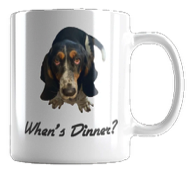
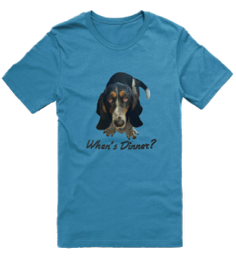
For those of you who'd like to support our podcast I've created a t-shirt from an image of Lexie I introduced in Episode 6 of the podcast. It shows Lexie begging and asks, "When's Dinner?" The shirt is available from two major brands with different prices. They are available online from my supplier. You can go to my Merchandise page for more information. Please make sure to order your correct size.
If you like drinking hot liquids I've also decided to offer a white mug with the same design. It's available in two sizes, 11 & 16 oz. Enjoy listening to the podcast while drinking your coffee or tea. Merchandise
Thank you very much for your support and listening to the podcast. I greatly appreciate all of you.
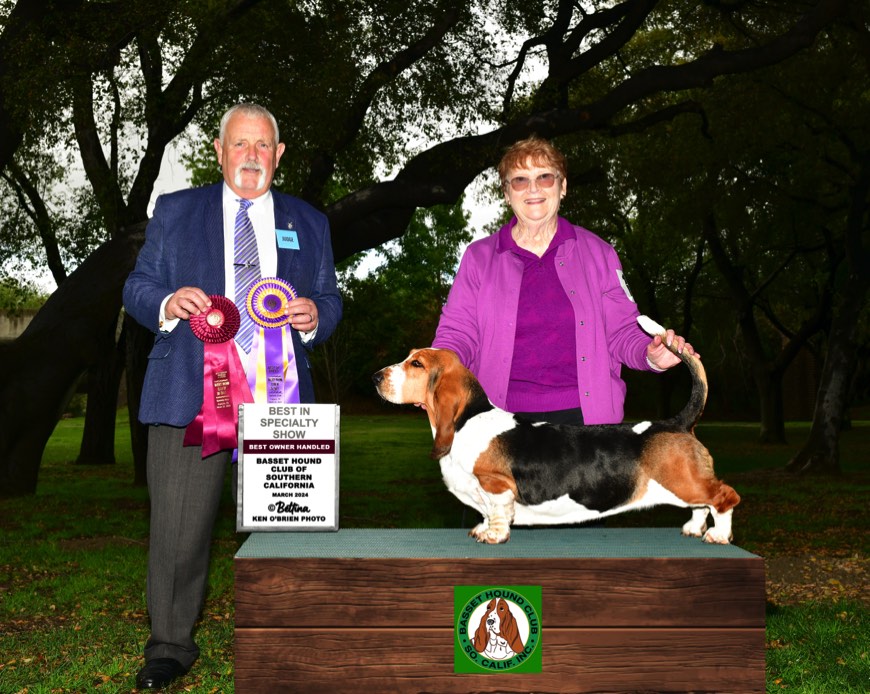

Basset Hound Club of Southern California
Specialty Show
Saturday, March 23, 2024




Greater San Diego Basset Hound Club
Saturday
Best of Opposite Sex to Best of Breed
Best of Breed Owner Handled
Sunday
Select Bitch


Sorry about the delay.

My apologies for taking time off from producing the podcast. Pam and I have had other priorties. All is fine, we're just very busy. I've also been working on some research for future episodes and making some technical improvements. At this point I'm not sure when the podcast will return. Keep monitoring this website or subscribe to the podcast on YouTube and click the bell.